Equitable and Empowering Justice Support
Access to equitable justice shouldn’t depend on who you are or what you know.
Access to fair and equitable justice means identifying and dismantling obstacles across systems that shape people’s life chances, including education, health, social supports, and legal processes themselves. This is where we come in. A justice-centered and restorative approach acknowledges that these barriers are interconnected, are rooted in structural inequity, and require both accountability and repair, not just formal legal remedies.
We Can Support You With
Our approach is about access to justice through barrier elimination and restoration
1. Systems Navigation & Advocacy
We work with you to deepen understanding of relevant legal processes, your rights and the culturally relevant pathways available to ease your experience and support your best interests. This is about getting you access to the right services faster without you having to pursue multiple systems or repeat your story over and over.
2. Education & Knowledge Sharing
We offer community-based educational initiatives about knowing your rights, understanding legal processes, and navigating systems with confidence. This style of learning can take the shape of partnered presentations, grassroots conversations or campaigns – and equips individuals and families with practical knowledge to make informed decisions, advocate for themselves, and better understand the systems that affect their lives.
3. Accessing Wrap-Around Supports
We support agreements, clarify responsibilities and expectations for each party, provide follow-up guidance, and help plan next steps to sustain positive outcomes.
Your Expert
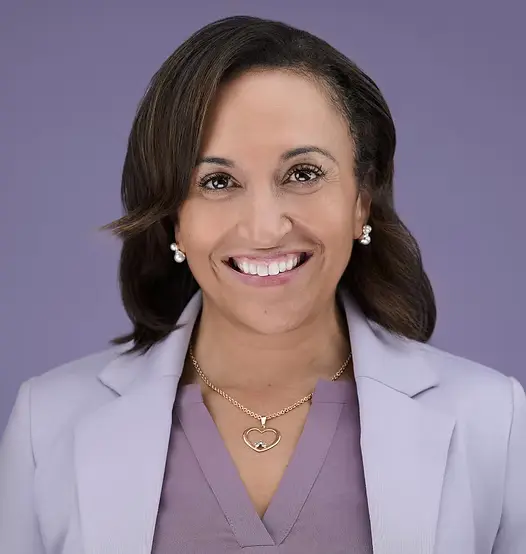
Angela Simmonds
All of A Team Unites’ justice-related services are led by Angela Simmonds. As a lawyer and mediator with years of experience in justice, politics, advocacy, and high-profile work related to Land Title Clarifications, she brings a level of legal acumen, historical and cultural contextual awareness, and impartiality that is essential for navigating conflict. Her background and experience qualify her to specialize in matters related to harassment, discrimination, racism, and employee misconduct. Angela is also a sought-after keynote speaker on topics of workplace conflict and law. Angela was recognized as one of the top 100 most accomplished Black women in Canada.
Angela has played a pivotal role:
- in the development and amendments to the Land Titles Clarification Act, which resulted in successful recommendations to the United Nations, and ultimately the launch of the Nova Scotia Government’s Land Titles Initiative (LTI).
- as a part of the working group to determine Bill 96 – Dismantling Racism and Hate Act, the first of its kind in Canada.
- in enacting Halifax Regional Municipality’s law enforcement directive to ban “street checks” in Nova Scotia.

Areas We Specialize In:
Education
Inequitable access to quality education, exclusionary discipline, and culturally unresponsive systems limit future legal, economic, and civic participation. Access to justice in education means removing these barriers and using restorative approaches that keep people connected, supported, and accountable—rather than excluded.
Health
Social systems
Legal access and human rights
True access to justice includes the ability to understand and exercise human rights, navigate courts and tribunals, complete forms, meet deadlines, and obtain representation or support without undue burden. Restorative justice principles emphasize fairness, clarity, and support—so legal processes do not become another source of harm.